
Manual Pump Irrigation
KickStart International helps smallholder farmers across Sub-Saharan Africa irrigate high-value crops year-round with its fuel-free MoneyMaker manual pumps.
KickStart International helps smallholder farmers across Sub-Saharan Africa irrigate high-value crops year-round with its fuel-free MoneyMaker manual pumps.
Sub-Saharan Africa
Horticulture Crops
Increased Farmer Income

Impact Highlights
435,000
435,000
435,000
Pumps sold
$431–459
$431–459
$431–459
Additional annual net household income
1.5–5X
1.5–5X
1.5–5X
Increase in annual net farm income
Summary
Practice snapshot
Practice
Manual pump irrigation using the MoneyMaker Starter Pump or the MoneyMaker Max Pump to cultivate high-value crops year-round
Implemention Organization
KickStart International
Geography
Sub-Saharan Africa
Crops / Value Chain

Horticulture Crops

Livestock
Adoption & outcomes
Farmers Adoption
435,000
pumps sold to date; internal studies show each pump reaches an average of 2.1–2.5 additional users
Core Outcomes

Increased Farmer Income

Enhanced Water Management

Climate Impact
Land Tenure
Land Tenure

Adopting farmers are typically a mix of landowners, farmers allocated local land, and land renters.
Gender Participation
Gender Participation

Men often purchase the pumps at retail shops, but women are frequently the primary users; pumps are designed and extensively tested with both women and men farmers.
Date Submitted
September 2026
How to Adopt
Identify farmer networks relying on rain-fed production systems
Identify farmer networks relying on rain-fed production systems
These may range from commercially oriented high-value crop producers to smallholder farmers cultivating household kitchen gardens.
These may range from commercially oriented high-value crop producers to smallholder farmers cultivating household kitchen gardens.
Assess water access
Assess water access
Confirm farmers have surface or shallow water (7–8 meters max from where the pump sits) on or close to their farms. Many farmers lack information about whether groundwater is accessible on their farms. Where it isn’t, farmers can dig and (if necessary) line a rainwater-harvesting pond.
Confirm farmers have surface or shallow water (7–8 meters max from where the pump sits) on or close to their farms. Many farmers lack information about whether groundwater is accessible on their farms. Where it isn’t, farmers can dig and (if necessary) line a rainwater-harvesting pond.
Field demonstrations
Field demonstrations
KickStart provides setup and usage demonstrations for groups of farmers so they can see the pumps operating in practice and better understand the technology, its ease of use, and its potential value for their farms.
KickStart provides setup and usage demonstrations for groups of farmers so they can see the pumps operating in practice and better understand the technology, its ease of use, and its potential value for their farms.
Explore financing options
Explore financing options
Pumps can be financed through checkoff systems via crop buyers or through loans from SACCOs, revolving funds, VSLAs, MFIs, or financial institutions. Cost-sharing can be supported through partial subsidies, asset-transfer models, or farmer-sharing arrangements.
Pumps can be financed through checkoff systems via crop buyers or through loans from SACCOs, revolving funds, VSLAs, MFIs, or financial institutions. Cost-sharing can be supported through partial subsidies, asset-transfer models, or farmer-sharing arrangements.
Pump distribution
Pump distribution
Pumps are available through local retail outlets in many cities and large towns. Delivery can be organized through KickStart field teams for bulk orders.
Pumps are available through local retail outlets in many cities and large towns. Delivery can be organized through KickStart field teams for bulk orders.
Key Takeaways
Recommendations
Confirm water access. The pumps can pull water from surface water sources (rivers, lakes, streams, springs, water catchment ponds) or shallow wells of less than 7–8 meters depth to the water level below the pump.
Pumps maintain performance in water with high sediment content. They can push water through a hosepipe up a hill 7m vertically above the pump or over 150 meters on flat ground.
Target off-season irrigated production of high-value crops (vegetables/fruits), harvesting and selling between the rainfed harvests when fresh produce is scarce, and prices are high. In general, the economics of irrigating rain-fed staples doesn’t justify the investment in irrigation — but once a farmer owns a pump, they can save these crops when the rains fail and replant quickly if floods wash them away.
Pair with low-cost sprinkler systems to offer single-user operation.
Encourage shared use where affordability is a limitation. Up to 3 farmers can comfortably share a single pump since irrigation is typically needed only 2–3 times a week.
Field demonstrations are key for farmers — "seeing it" converts skeptical farmers, partners, and even funders faster than any other approach.
Organizations with clustered farmer networks can support shared-pump arrangements to extend reach.
For financing pumps, best to provide a 3-month payment holiday followed by an approximately 6-month monthly payment schedule, aligned with irrigated harvest incomes. Linkages with local rural financing organizations (SACCOs, or Co-ops with checkoff systems through crop buyers) are especially effective, reducing rural loan servicing costs.
Pitfalls to avoid
Check-off financing tied to high-demand, easily side-sellable crops (fresh vegetables) invites side-selling risk once farmers can get better prices elsewhere.
Set-up and maintenance is very easy, but best to organize trainings with field teams to ensure optimal farmer uptake.
Purchase pumps with bundled hose pipes or confirm specs; incorrect hose pipes can reduce efficiency.
Donor preference for "modern"-seeming solar technology can crowd out proven, lower-cost manual solutions that often hold up better under tough field conditions and where technical support is limited.
Economics Snapshot
Key financial metrics
Cost to implement
$210–$250/ha
one-time pump investment (Max ~$230–$250/ha, Starter $210–$250/ha)
Farmer income gain
$431–459/yr
additional net household income over 1–6 years of use
Farmer Perspective
“
I was tired of asking for money from my husband. I wanted my own income; I wanted to be empowered.
Participating farmer, Kenya
“
We are now able to do our irrigation in a shorter time than previously when we used to spend almost half a day watering small portion of the garden.
60 Decibels farmer respondent, Zimbabwe
The complete, detailed story behind this practice
The complete, detailed story behind this practice
Full Case Study
Full Case Study
Problem & Baseline
Targeted Agricultural Problem
Smallholders across Sub-Saharan Africa depend on rain-fed agriculture. Historically, the region has lacked access to appropriate irrigation tools and knowledge. This causes farmers to plant and harvest at the same time, when markets are saturated and prices are low, earning low returns. They cannot farm during the dry season, when produce is scarce and prices are highest. Now, with climate change, the rains are becoming increasingly erratic and unreliable, causing smallholders to lose rainfed harvests more frequently to failed rains, droughts, and floods. By adopting irrigation, farmers can plant and harvest year-round, gain off-season production capacity and market advantages, and safeguard rain-fed crops against drought or replant quickly after floods.
Baseline Farm Conditions and Practices
Before adopting a pump, most smallholder farmers relied on rain-fed farming, while some hauled water from a source to the field manually using a bucket or jerry can—a slow, physically demanding process that limited the amount of land under irrigation.
Historical System Barriers to Adoption
Equipment affordability is the central barrier for farmer adoption: the pump is a comparatively expensive, asset-heavy one-time purchase for a smallholder, and rural finance to bridge that upfront cost is thin. Awareness and local access are also major barriers; many smallholders lack knowledge of small-scale irrigation products; and supply chains are fragmented. Irrigation also requires a behavioral shift to move off rain-fed farming, often changing which crops and when they plant/grow them.
Regen Practice Design & Delivery

Practice Design
Required Implementation Resources
A compatible water source, or investment in a well or water-harvesting system.
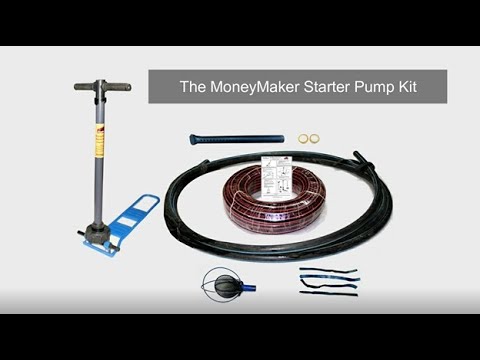
The pump kit itself (no additional parts needed).
Basic setup, use, and maintenance training, typically provided by KickStart or its distribution partners.
Financing to cover the one-time purchase cost, where farmers can't pay outright.
Practice Delivery
Organizational Role
KickStart designs and quality-controls the product (manufactured by a long-standing contract manufacturer in China), then sells in USD to independent distributors, who import, warehouse, and sell through local agro-dealers. KickStart carries the majority of demand-generation work itself — running radio advertisements, in-person demonstrations, and agricultural-show presence — though its best distributors co-fund some marketing costs.
Farmer Engagement and Training Strategy
Marketing Campaigns: radio and radio campaigns, flyers, public demonstrations/events at agricultural shows and field days, and mass-market social media advertising
Agro-dealer activations and signage, farmer demonstrations, field days, sales-agent outreach
Partnerships with organizations with organized smallholder networks (agribusinesses, cooperatives, NGOs), to reach clustered groups of farmers efficiently.
Gender and Social Equity Integration
KickStart intentionally incorporates gender and social equity into farmer engagement by targeting women, youth, disabled, and other underserved groups through organized farmer groups, women’s associations, youth networks, and implementation partners. These partnerships often combine outreach with financing, subsidies, or cost-sharing mechanisms that reduce affordability barriers and expand access among lower-resource farmers. KickStart also features women and youth prominently in marketing materials, videos, demonstrations, and farmer testimonials, helping ensure that diverse farmers see themselves represented as potential users and customers.
Enabling Conditions
Key Enabling Conditions
Water access: surface water, or a well within an estimated 7–8 meters (KickStart estimates roughly 30–50% of farmers already have a compatible source).
A water-harvesting system (such as a tarp liner to capture runoff) where a compatible source doesn't already exist.
Farmer buy-in and interest in growing higher-value fruits and vegetables.
KickStart distribution and supply chain in place in the country.
Land Tenure Dynamics and Impact on Adoption
Land tenure is not a major barrier to adoption, because the pump is light, portable, and non-fixed — farmers can relocate it if their access to a given plot changes, which meaningfully de-risks the investment relative to fixed irrigation infrastructure.
Results of Intervention

Environmental
KickStart’s pumps have supported tree nurseries used for agroforestry planting. Observed environmental outcomes include improved soil moisture and vegetation cover, greater crop diversification, and reduced land degradation during dry periods. KickStart does not routinely measure biodiversity, deforestation, or wildlife impacts directly, but has worked with multiple conservation organizations to deploy pumps as an alternative livelihood to poaching and deforestation.

Social
KickStart has sold 435,000 pumps to date. Observed social outcomes include higher crop yields and cropping intensity, increased and more diversified farmer incomes, improved food security, and greater access to higher-value markets. Irrigation also reduces reliance on rainfall, enables year-round production, and can reduce the time and labor required for manual water collection and irrigation.
Income: Independent evaluator Mathematica reviewed 16 of KickStart's internal and external impact studies and estimated a conservative benchmark of $431–459 in additional annual net household income from years 1 through 6 of pump use, based on single-user households only. Separately, farm-based income (investment in new farm assets, livestock, and land) increased by an average of over 400% in the first 18 months across studies reviewed, and one long-term East Africa study found daily incomes rose 1,230% over five years among farmers who started in extreme poverty.
Food Security: Access to irrigation strengthens food security by increasing and stabilizing food production during traditional “hungry season”, enabling nutritious crop diversification, and increasing household income available for food purchases.
Reduced Stunting / Malnutrition: According to RCT data, in households with a KickStart pump, children between 6 and 24 months grew an extra 1.18 cm in height over two years. In addition, adolescent girls showed higher body mass indexes (BMIs), and household food insecurity overall was reduced by 45%.
Women’s empowerment: a State Department/Rockefeller Tanzania study found 88% of women in surveyed households felt empowered since adopting the pump. In another study, about 82% of the women within the sample households accessed and 87.5% influenced how the money earned from the sales of irrigated crops was utilized.
Gender-based Dynamics: RCT data shows families with pumps improved gender dynamics associated with GBV risk: men reported less conflict around traditional gender roles, while women reported greater power in their relationships. These changes may help reduce vulnerability to gender-based violence, although this study did not directly measure reductions in GBV.
Household Mental Health: results showed a major reduction in depression symptoms among the intervention group (36%), as well as improved household food security and income, physical activity and productive labor, self-confidence, and contribution to one’s community.
Quality of Life and Productive Work: 97% of farmers’ quality of life was improved, with 60% reporting “very much improved”. (60 Decibels Study, Zimbabwe).

Climate
Greater resilience to drought and rainfall variability, as farmers can maintain production during dry periods and reduce dependence on increasingly unpredictable rains. Irrigation also supports crop diversification and more consistent year-round production, strengthening households’ ability to absorb climate shocks. Irrigation can also enable farmers to replant quickly after flooding or crop loss.
A State Department Tanzania study found 89% of farmers said the pump helped them combat the effects of climate change — 44% specifically because they could irrigate when rains failed, 42% because they could draw from deep wells, and 10% because they used harvested rainwater. A Rockefeller Foundation Tanzania study found a 65% reduction in post-harvest losses after pump adoption. A 60 Decibels Zimbabwe survey found 97% of farmers reported higher confidence in farm outcomes and reduced climate anxiety.
Results Timeline
Results emerge after first irrigated harvest – typically within 3-6 months.
Outcome Variations
Crop type drives the biggest variation: irrigating low-value staple crops like maize or cassava rarely justifies the investment, since the added yield doesn't translate into meaningful additional profit; the clearest gains come from shifting some land into higher-value vegetables and horticulture, particularly for off-season, dry-market sales.
Results are broadly consistent across geographies and farmer segments where farmers have access to a viable water source.
Formal Documentation of Outcomes
Over 20 external and internal studies across multiple countries, including a 60 Decibels Zimbabwe survey (2020); a long-term UCSF Shamba Maisha randomized controlled trial, and a Mathematica review of 16 internal and external studies focused on income.
What worked, and what changed
What Worked Well
Regen Practice Implementation Successes
Once a farmer owns the pump, use is straightforward: it's fuel-free, sold as a complete kit so nothing else needs to be purchased, and highly durable (product lifespan of 6 years)—but KickStart reports pumps still working in the field after 12–13 years. Design testing focused heavily on anticipating farmer misuse and failure modes, making the product largely self-sufficient without ongoing maintenance support.
Supply Chain and Systems-Level Successes
KickStart integrates its pumps into existing private-sector agricultural input distribution — the same local dealers who already sell fertilizer and seed. KickStart shoulders most demand-generation costs (radio advertising, in-person demonstrations, agricultural shows), and its strongest distributors co-fund some of that marketing.
Primary Drivers of Farmer Adoption
Field demonstrations were repeatedly identified as the single biggest driver — for farmers, partners, and even funders who understand the pump conceptually but only commit once they've seen it perform. Partnering with organizations that already have organized, trusted farmer networks (cooperatives, agribusinesses, NGOs) let KickStart reach clusters of farmers efficiently, and shared-pump arrangements among 2–3 farmers extended reach further, since irrigation is only needed a few times a week.
Effective Operational and Partnership Models
Localized financing (SACCOs (Savings and Credit Cooperative Organizations) and revolving funds within agribusinesses) has the lowest servicing costs, compared to urban-focused microfinance institutions, which face higher costs to collect from dispersed rural borrowers on a small asset.
Checkoff financing — where a buyer deducts loan payments from what it pays the farmer for crops — worked especially well with dairy cooperatives (frequent, predictable payments given daily milk sales) and, with more caveats, with coffee financing through Root Capital (larger, less frequent lump-sum repayments tied to harvest cycles).
Challenges & Pivots
Implementation Challenges
KickStart has tried several different models for financing pumps (faces many of the constraints as the rest of the agricultural lending sector), developed learnings for what works and what doesn't. Financing manual pumps through pay-as-you-go or pay-per-use models proved difficult: unlike solar pumps, manual pumps can't be remotely disabled for non-payment, and even where a pay-per-use fee was tested on a solar pilot, you run the risk that farmers use the pump less often than under an unlimited-access model — similar to the difference between an unlimited bike-share subscription and paying per ride. If loan payments overlap with the rainy season, default risk will likely increase because pumps will be idle. Better to ensure timing of loan repayments is aligned with irrigation harvest cycles.
Programmatic Pivots and Modifications
KickStart continues to refine its products; each has gone through various models and updates. Continue to test with farmers, reduce cost, and maintain durability. For example, KickStart lowered the height of an early treadle pump design after women found the original design impractical to operate given their clothing.
Also working to develop better sprinkler systems that provide even, efficient coverage of crops. This also enables manual pumps to be used by one user instead of two (key enabler). It is now developing a "rain line" sprinkler so irrigation can be a one-person task rather than requiring two people.
Emerging Implementation Barriers
Supply chain financing is a persistent friction point: distributors need foreign exchange to pay KickStart (which sells only in USD), which is difficult to access in many operating countries; local dealers, meanwhile, want to buy on consignment, but distributors are reluctant to extend that credit. KickStart works to bridge this with dealer incentives and flexible credit terms. On the demand side, checkoff financing tied to high-demand crops like fresh vegetables invites side-selling: once vegetable prices rise in the off-season, farmers can often get a better price from a different buyer than the one financing their pump, undermining the checkoff arrangement. Political and economic instability across KickStart's operating countries also requires the organization to be able to scale activity up or down as conditions shift.
Economics & Financing
Implementation Organization Economics
Key financial metrics
Cost Per Hectare
$210–$250
Retail Price of Pumps: MoneyMaker Max retails for approximately $185–$200 and the Starter Pump retails for $85-$110, depending on the country.
KickStart’s costs to market and scale its pumps vary from year to year and across country programs. In the 2026 fiscal year, KickStart delivered 21,610 pumps across operational countries, reaching an estimated 60,000 farmers with consistent access to irrigation.
Intervention Financing and Capital Structure
Pump purchases are financed through a mix of farmers’ own cash purchases, loans and other financing mechanisms, partner cost-sharing and subsidies, and government subsidies. In some country programs, philanthropic or donor funding reduces upfront costs, especially for new delivery models.
Investor ROI Timeline
Mathematica estimated that KickStart’s cost-benefit ratio is between 5.52 – 8.97, or the return for every donor dollar expended is between $5.52 and $8.97. This SROI compares the additional income farmers are expected to generate through irrigation—approximately $2,586–$2,754 over a six-year product lifespan, based on $431–$459 in additional annual net income—with KickStart’s full cost of delivering the intervention. This estimate serves as a credible minimum benchmark for expected income gains. Importantly, this assessment was based on single users only, excluding multiple user scenarios, informal borrowers, or renters, as well as non-monetized benefits.
Farmer Economics
Net Income Impact and Percentage Gains Over Baseline
The most rigorously reviewed estimate — Mathematica's assessment of 16 KickStart studies — puts the conservative floor at $431–459 in additional income per year. At that level, farmers can typically recover the cost of a pump within the first year of use.
Drivers and Realization Timeline of Farmer Income Gains
Primarily, farmers report increased income through horticulture for off-season sales—when market prices are highest—which is the biggest lever (effect within the first dry-season cycle), more so than simply irrigating existing staple crops. Farmers also reported gains from higher crop volumes sold, more land brought under cultivation, and additional farm-based investments funded by irrigation profits. Diversifying into higher-value vegetables. Additional gains from rain-fed crops, which supplemental irrigation can safeguard from drought / avoid crop failure. Other farmers use irrigation in tree and vegetable crop nurseries, seed multiplication, and ornamental tree businesses – irrigation support increased production and bridges seasonal gaps across these models. Farmers also rent out their pumps, earning income from local farmers.
Price Premiums, Yield Increases and/or Input Cost Reductions
Farmers sell crops for increased profits by selling into higher-priced off-season windows and selling higher volumes. Farmers moderately increase investment in inputs for additional off-season harvests, but do not face input costs for usage (no diesel fuel).
Reasons for Absence of Farmer Income Gains
Not applicable to the general finding — but low-value staple crops (maize, cassava) do not generate meaningful additional profit from irrigation, since the yield increase doesn't translate into higher-value harvests. There is some income potential from low-value staple crops when irrigation can be used to safeguard harvest from dry spells.
Scalability & Replicability

Enabling Conditions for Smallholder Scaling
Scaling depends on demand generation and farmer education, expanded partnerships with organizations with existing farmer networks, proven and replicable financing models, and government collaboration on subsidy programs (e.g., Rwanda, as with the Angola scheme in development).
Scaling Constraints
Farmer affordability and awareness are the biggest constraints (including awareness of products, irrigation’s benefits, applicability, and available water sources). Distribution complexity is a persistent constraint — distributors' access to foreign exchange and credit terms between distributors and local dealers both bottleneck how much stock reaches farmers. Political and economic instability across operating countries also requires flexibility to scale activity up or down.
Scaling Partnerships
Independent distributors and local agro-dealers for distribution; organizations with existing, trusted farmer networks (cooperatives, agribusinesses, NGOs) for demand generation; government investment to support subsidy programs or voucher programs to develop market; and localized financing partners (MFIs, VSLAs, SACCOs, crop-buyer checkoff arrangements) for affordability.
Key Risks
Primary Implementation Risks
Farmer-level financial risk is low: the pump is portable (reducing exposure to land tenure disputes) and its core function — protecting harvests from drought and erratic rainfall — is inherently risk-reducing rather than risk-adding. Pumps have one-year warranties and require little to no maintenance. For aggregators focused on crops with local market demand, irrigating farmers will be likely to side-sell in the off-season, when they can get higher prices. Risks can be mitigated by building an accepted level of side-selling during peak season into contracts. For crops with lower local demand, side-selling risk reduces. Risk to financiers generally mirrors that of other agricultural assets, but is comparatively lower for the same reason.
Priorities for Testing and Validation for Replication
Assess whether water sources are aligned with pump specs. When integrated into check-off-based financing systems, align approach to manage side-selling risk for crops with high local market demand in the off-season; the scalability of shared and rental pump models beyond the pilots described here.
Farmer Perspective
“
When I left a larger portion of land for vegetable farming this season instead of planting maize, my neighbors said I would starve. I'm proving them wrong. I already have people pre-ordering my vegetables for once they are ready.
Participating farmer, Kenya
“
One person can water the crops versus the whole family. The workload is much less, and the number of people required to water the crops is also significantly reduced.
60 Decibels farmer respondent, Zimbabwe
“
My late husband left me with six young children. With the increased income from irrigation with the MoneyMaker pump, I'm capable of paying school fees and other school requirements for them.
Mali farmer focus group
“
I have employed myself on my farm now... I've learned that you don't need ten acres of land to prosper; you can have just one with the right tools, and you're good to go.
Participating farmer, Kenya
“
If the household income is good, then peace and harmony prevails in the house... Before having the pump my income was very poor, we used to have several misunderstandings with my wife because I couldn't manage to fulfill the essential needs of the family, but now I can manage and we have a happy marriage.
Mali farmer focus group
“
When I left a larger portion of land for vegetable farming this season instead of planting maize, my neighbors said I would starve. I'm proving them wrong. I already have people pre-ordering my vegetables for once they are ready.
Participating farmer, Kenya
“
One person can water the crops versus the whole family. The workload is much less, and the number of people required to water the crops is also significantly reduced.
60 Decibels farmer respondent, Zimbabwe
“
My late husband left me with six young children. With the increased income from irrigation with the MoneyMaker pump, I'm capable of paying school fees and other school requirements for them.
Mali farmer focus group
“
I have employed myself on my farm now... I've learned that you don't need ten acres of land to prosper; you can have just one with the right tools, and you're good to go.
Participating farmer, Kenya
“
If the household income is good, then peace and harmony prevails in the house... Before having the pump my income was very poor, we used to have several misunderstandings with my wife because I couldn't manage to fulfill the essential needs of the family, but now I can manage and we have a happy marriage.
Mali farmer focus group
“
When I left a larger portion of land for vegetable farming this season instead of planting maize, my neighbors said I would starve. I'm proving them wrong. I already have people pre-ordering my vegetables for once they are ready.
Participating farmer, Kenya
“
I have employed myself on my farm now... I've learned that you don't need ten acres of land to prosper; you can have just one with the right tools, and you're good to go.
Participating farmer, Kenya
“
One person can water the crops versus the whole family. The workload is much less, and the number of people required to water the crops is also significantly reduced.
60 Decibels farmer respondent, Zimbabwe
“
If the household income is good, then peace and harmony prevails in the house... Before having the pump my income was very poor, we used to have several misunderstandings with my wife because I couldn't manage to fulfill the essential needs of the family, but now I can manage and we have a happy marriage.
Mali farmer focus group
“
My late husband left me with six young children. With the increased income from irrigation with the MoneyMaker pump, I'm capable of paying school fees and other school requirements for them.
Mali farmer focus group
Farmers commonly shift some land from staple crops like maize into higher-value vegetables and horticulture, particularly for off-season sale when prices are highest, and many move from purely subsistence farming toward more commercially oriented production. Continued use is common — pump owners typically lend the pump onward to an average of 2.1–2.5 additional users beyond themselves.
Resources & Media
Videos
▶
Instructional video, MoneyMaker Starter Pump

▶
Instructional video, MoneyMaker Max Pump

▶
Short documentary, "The Promise of Rain"
▶
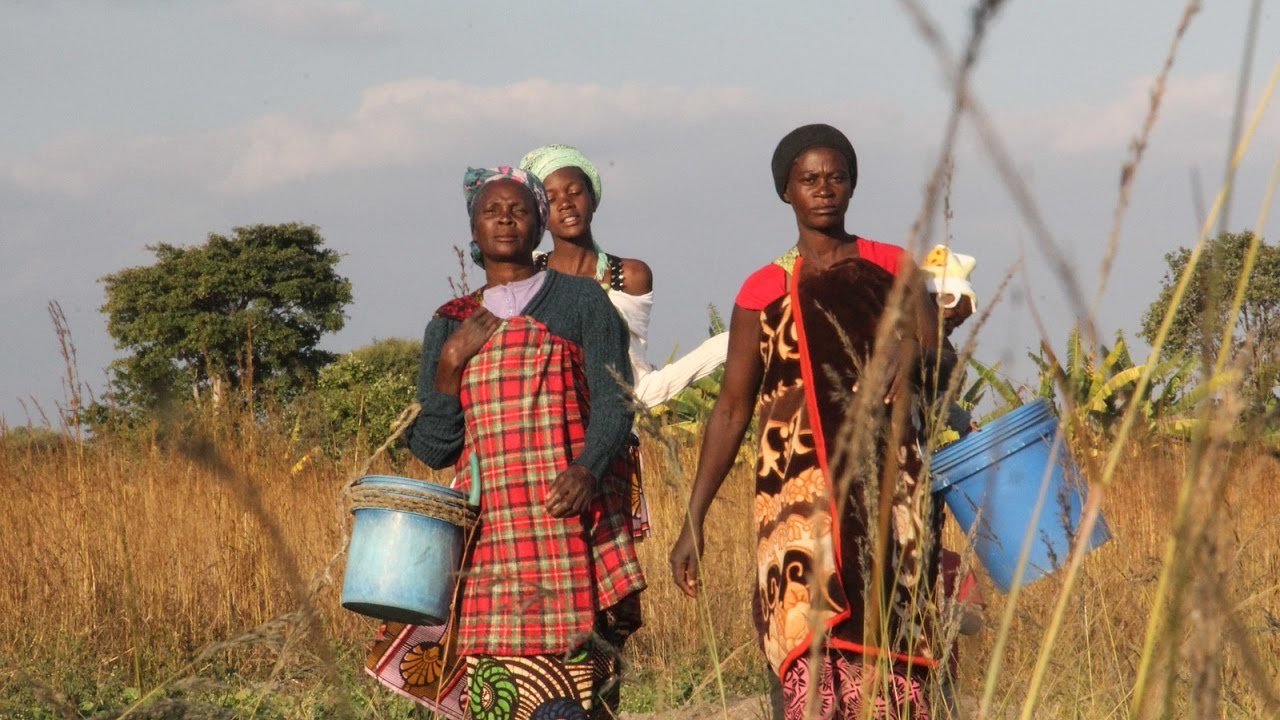
Short documentary, "Two Roads Diverge"
Gallery


More case studies.
More case studies.
Regenerative and climate-smart practices, direct from practitioners working with smallholders.
Regenerative and climate-smart practices,
direct from practitioners working with smallholders.
Regenerative and climate-smart practices, direct from practitioners working with smallholders.

See case study
→
Super Pearl Fish Amino Acid Fertilizer
Proximity Designs brings Super Pearl, a locally fermented fish amino acid liquid fertilizer, to smallholder farmers in Myanmar as an affordable alternative to synthetic nitrogen fertilizer.
Myanmar
Grains & Cereals
Increased Farmer Income

See case study
→
Selective Weeding
Acceso promotes selective weed management and spot treatment, using plants already growing on the plot as living and dead ground cover.
Colombia
Fruit Trees
Improved Soil Health

© 2026 CASH Coalition
All rights reserved.
Climate Action for Smallholders (CASH) Coalition Inc. is registered as a 501(c)(3) organization in the United States.
© 2026 CASH Coalition
All rights reserved.
Climate Action for Smallholders (CASH) Coalition Inc. is registered as a 501(c)(3) organization in the United States.
© 2026 CASH Coalition
All rights reserved.
Climate Action for Smallholders (CASH) Coalition Inc. is registered as a 501(c)(3) organization in the United States.